You've tried artificial tears, switched brands, and kept a bottle of eye drops within reach. Yet your eyes still burn, feel gritty, or become blurry throughout the day. If this sounds familiar, you may be dealing with chronic dry eye disease that requires more than temporary moisture.
Over-the-counter eye drops can help relieve irritation, but they don't always address the underlying causes of dry eye. Problems with your eyelid oil glands, inflammation, or damage to the eye's surface may require a different approach.
At Glimpse Eye Care - The Woodlands in The Woodlands, our optometrists focus on identifying what's causing persistent symptoms and developing personalized treatment plans. For patients who haven't found lasting comfort with conventional care, advanced dry eye treatment may offer additional options.
Why Aren't Eye Drops Relieving My Dry Eyes?
Artificial tears work by supplementing the moisture on your eye's surface. While they can provide meaningful relief, their effects may be temporary when the underlying problem remains untreated.
One common cause is meibomian gland dysfunction (MGD). The meibomian glands, located along your eyelids, produce oils that help prevent tears from evaporating too quickly.
When these glands become blocked or produce poor-quality oil, your tear film may become unstable. Your eyes can feel dry even when they produce an adequate amount of watery tears.
Other chronic dry eye causes include eyelid inflammation, certain medications, hormonal changes, and medical conditions that affect tear production.
If you've been searching for the best eye drops for dry eyes without finding consistent relief, a comprehensive evaluation may be more useful than trying another bottle.
What Advanced Dry Eye Treatments Are Available?
Advanced treatments address different contributors to dry eye disease. Some target inflammation and blocked oil glands, while others focus on eyelid hygiene or healing damage to the ocular surface.
The most appropriate option depends on your symptoms, examination findings, and previous response to treatment.
Low-Level Light Therapy (LLLT) for Dry Eye
Low-level light therapy (LLLT) uses controlled wavelengths of light to influence cellular activity in the tissues around the eyes. This approach, sometimes called photobiomodulation, is being studied for its potential to improve symptoms associated with meibomian gland dysfunction.
LLLT may help support healthier gland function and reduce some signs of dry eye in selected patients. Unlike ordinary lubricating drops, it aims to address factors that contribute to tear film instability.
Treatment typically involves a series of sessions, with the number and frequency depending on the device and your individual needs.
Although early research is promising, LLLT isn't a guaranteed solution, and evidence about its long-term effectiveness is still developing.
ZEST Eyelid Treatment for Buildup and Irritation
Your eyelids play an important role in maintaining a healthy tear film. When debris, oils, and bacterial biofilm accumulate along the eyelid margins, they can contribute to irritation and inflammation.
ZEST, or Zocular Eyelid System Treatment, is an in-office eyelid cleaning procedure designed to remove buildup from the eyelid margins and around the eyelashes.
The treatment uses a specialized cleansing formulation and gentle cleaning techniques to address debris that may be difficult to remove through regular home care.
ZEST eyelid treatment may be considered for patients with blepharitis, persistent eyelid buildup, or inflammation associated with dry eye disease.
Because eyelid conditions can recur, ongoing lid hygiene may still be necessary after treatment.
Amniotic Tissue Therapy for Severe Dry Eye
For some patients, chronic dry eye causes more than discomfort. Persistent inflammation and inadequate lubrication can damage the cornea, the clear outer surface of the eye.
Amniotic tissue therapy is an option used in selected cases of significant ocular surface disease.
Amniotic membrane contains biological components that can support tissue healing and help control inflammation. Depending on the treatment, a specially prepared membrane may be placed over the eye's surface, sometimes with a protective contact lens.
The goal is to create conditions that support corneal repair while reducing irritation associated with damaged tissue.
This treatment is generally considered for more severe or difficult-to-manage cases rather than routine dry eye symptoms. Your eye doctor must assess whether it's appropriate based on the condition of your cornea and your overall eye health.
How Do Eye Doctors Choose the Right Dry Eye Treatment?
Effective dry eye management begins with identifying why your eyes are uncomfortable.
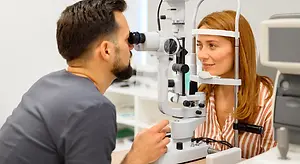
At Glimpse Eye Care - The Woodlands, our approach emphasizes thorough examinations, advanced diagnostic technology, and personalized recommendations rather than treating every patient with the same solution.
Depending on your symptoms, a dry eye assessment may include:
- Tear film analysis: Evaluating tear stability and how quickly moisture evaporates from the eye's surface.
- Meibography: Imaging the meibomian glands to assess their structure and identify signs of gland loss or dysfunction.
- Ocular surface examination: Looking for inflammation, irritation, or damage to the cornea.
- Corneal topography: Mapping the shape of the cornea to provide additional information when clinically appropriate.
Medmont topography is one example of technology that can support detailed corneal assessment, although the specific testing used depends on the practice's equipment and the patient's needs.
Your optometrist will also review your medical history, medications, screen habits, contact lens use, and previous treatments.
These findings help determine whether gland-focused therapy, eyelid cleaning, ocular surface treatment, or another approach may be beneficial.
Frequently Asked Questions About Advanced Dry Eye Treatment
Why Do My Eyes Still Feel Dry Even With Drops?
Artificial tears may temporarily relieve symptoms without correcting underlying problems such as meibomian gland dysfunction, eyelid inflammation, or insufficient natural tear production. An eye examination can help identify the cause.
What Is LLLT, and How Does It Treat Dry Eye?
LLLT uses low-intensity light to influence tissue activity around the eyelids. Research suggests it may improve certain dry eye symptoms and measures of meibomian gland function, although results vary and further studies are needed.
What Is ZEST Eyelid Treatment?
ZEST is a professional eyelid cleaning procedure that removes accumulated debris and biofilm from the eyelid margins. It may help patients whose symptoms are associated with blepharitis or persistent eyelid inflammation.
How Does Amniotic Tissue Therapy Help Severe Dry Eye?
Amniotic membrane therapy can support healing of the corneal surface and help manage inflammation in selected patients with significant ocular surface damage. It isn't necessary or appropriate for every case of dry eye.
How Do You Determine Which Treatment Is Right for Me?
Your optometrist evaluates your symptoms, tear film, eyelid glands, and ocular surface. Tests such as tear breakup time measurements, meibography, or corneal imaging may be used when appropriate to guide treatment recommendations.
Find Personalized Dry Eye Care in The Woodlands
Persistent dry eye can interfere with reading, computer work, contact lens wear, and everyday comfort. If artificial tears aren't providing enough relief, you don't have to keep guessing about what might work.
At Glimpse Eye Care - The Woodlands, our experienced optometrists take the time to examine your eye health, explain their findings, and develop a treatment plan suited to your needs. Our practice offers advanced dry eye management, including LipiFlow® and IPL therapy, alongside comprehensive diagnostic care.
Visit us at 26435 Kuykendahl Road, Suite 800, in The Woodlands, to learn more about your treatment options.
Schedule an appointment and take the next step toward more comfortable eyes.